
Being told you need a bone graft before a dental implant can feel discouraging. In many cases, it is simply a way to rebuild support where the jawbone has thinned after tooth loss, gum disease, trauma, or an extraction. You won’t know whether a graft is part of your plan until your dentist examines the area and reviews appropriate imaging.
The Typical Path: exam and imaging → numbing and site preparation → graft placement → membrane and stitches when needed → follow-up while the graft heals.
Why You Might Need a Dental Bone Graft
Jawbone can lose volume after a tooth is lost or removed. If there is not enough healthy bone to support an implant, a graft may increase the area’s volume and density. Bone grafting may also be used to support loose teeth, repair bone affected by trauma or periodontal disease and bone loss, or prepare the upper jaw for treatment near the sinus.
Think of graft material as a scaffold. It holds space and gives your body a framework for rebuilding bone at the site. The exact plan depends on your anatomy, oral health, medical history, and the implant location.
Common Bone Graft Materials
The Cleveland Clinic overview of dental bone grafts lists the common material categories. Your dentist recommends the material and technique based on the treatment site and your treatment goals.
Autograft
Bone from your own body, collected from another area when appropriate.
Allograft
Human donor bone obtained through a regulated tissue bank.
Xenograft
Animal-derived material, commonly bovine or porcine.
Alloplast
A lab-made bone substitute. Hydroxyapatite is one example.
Common Procedures, Explained Simply
Socket Preservation
A graft can be placed in a tooth socket after an extraction to help preserve the area for a future implant or other restoration.
Ridge Augmentation
If an area has been missing a tooth for some time, the jaw ridge may have become too narrow or shallow for predictable implant placement. Augmentation can rebuild the site before an implant is placed.
Sinus Augmentation
In some upper-jaw cases, the sinus may limit the available bone height. A sinus lift can create space for graft material before implant treatment.
Some patients can have a graft and implant placed during the same treatment phase. Others need a healing period before implant placement. The decision is individualized and depends on the available bone and the stability that can be achieved safely.
What Happens During the Procedure?
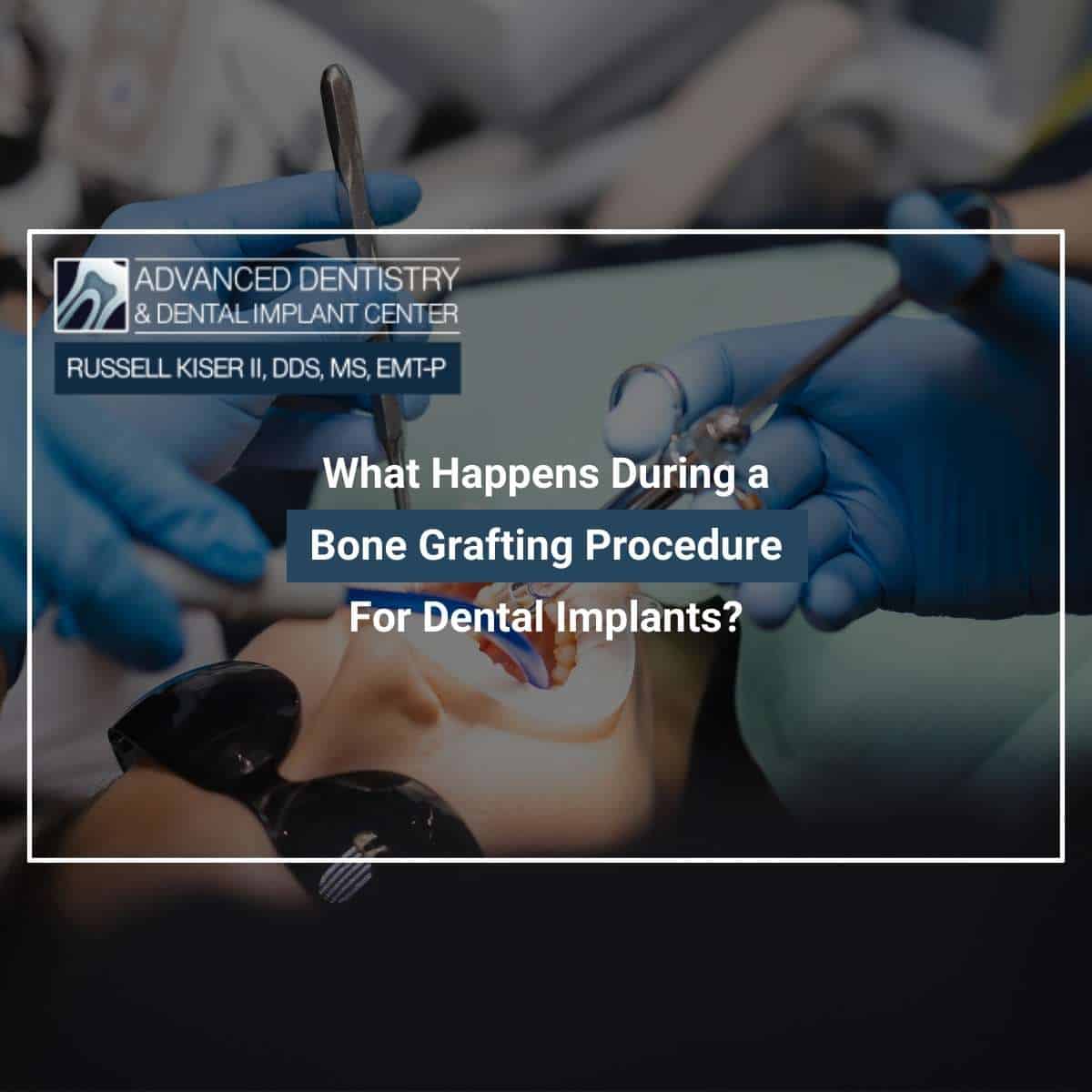
Exact steps vary, but a typical bone-grafting appointment follows this general sequence:
-
Evaluation and Planning
Your dentist evaluates the area with an exam and appropriate imaging. Learn how computer-guided dental implant planning can support surgical planning. This helps determine whether a graft is needed and whether treatment can be completed in one stage or needs time to heal first.
-
Comfort and Site Preparation
The site is numbed with local anesthetic. If you’re anxious about treatment, ask the team about dental sedation options. The treatment area is carefully prepared and cleaned.
-
Graft Placement
Grafting material is placed where support is needed. A protective membrane may be placed over the graft, then the gum tissue is repositioned and closed with stitches.
-
Healing and Follow-Up
Follow-up visits allow the team to monitor healing. After the graft has matured sufficiently, imaging and an exam help determine whether the site is ready for implant placement.
Recovery and Healing: What to Expect
Tenderness, swelling, and bruising are common after a bone graft and should improve over time. The Cleveland Clinic recovery guidance also notes that a few sand-like particles can be normal early in healing. Your surgical instructions take priority because they are tailored to your procedure.
Helpful Habits
- Use an ice pack on the outside of the jaw as directed.
- Choose soft foods for the first few days.
- Keep your head elevated to help reduce swelling.
- Keep the site clean and take medications exactly as prescribed.
What to Avoid
- Do not disturb the surgical site.
- Avoid vigorous spitting or swishing.
- Avoid smoking or vaping during healing.
- Avoid alcohol and strenuous activity for the period your dentist directs.
Are Small Graft Particles Normal?
Sometimes patients notice a few tiny particles that resemble grains of sand or salt in the first few days. This can be normal. Contact the office if you lose a large amount of material or have concerns about the site.
When Is the Implant Placed?
Dental implant treatment can involve several procedures and may take months. When a graft is placed first, the graft needs time to heal before implant placement. After the implant is placed, it also needs time to integrate with the jawbone, as outlined in Mayo Clinic’s dental implant surgery overview. Once a graft has healed, your dentist evaluates whether the bone is ready to support the implant. If your treatment is planned in stages, keep your follow-up visits and ask about timing before you delay the next step.
If Bone Loss Is Extensive
Bone grafting is one pathway to implant treatment, but every case is different. If bone loss is extensive, your dentist may recommend a broader treatment discussion. Learn about dental implants for severe bone loss and All-on-4 full-arch restorations, or ask the team which approach fits your goals, health, and anatomy.
Common Questions About Bone Grafting for Dental Implants
Does a Dental Bone Graft Hurt?
The treatment area is numbed with local anesthetic. Afterward, some tenderness, swelling, and bruising are common and should improve over time. If anxiety is a concern, ask about sedation options.
How Long Does a Bone-Grafting Appointment Take?
Appointment length depends on the treatment area, the type of graft, and whether it is combined with another procedure. Your dental team can give you a personalized estimate after reviewing your imaging and treatment plan.
How Long Before I Can Get a Dental Implant After a Bone Graft?
Timing is individualized. Cleveland Clinic notes that grafts need at least three months to heal, and larger grafts can take longer. Your dentist will confirm readiness with an exam and appropriate imaging.
What Should I Watch for While I Heal?
Contact the office promptly for increasing swelling, pus or drainage, severe pain, fever, or concerns about losing a large amount of graft material. Seek emergency care for heavy uncontrolled bleeding, trouble swallowing, or breathing difficulty.
Need a Bone Graft for Dental Implants?
Advanced Dentistry & Dental Implant Center provides implant and restorative care in Mansfield. Schedule a consultation for a personalized evaluation and treatment plan.
This article is for general education and is not a diagnosis or a substitute for personalized medical or dental advice.
 Advanced Dentistry & Dental Implant Center
1221 S Trimble Rd, Suite A1,
Advanced Dentistry & Dental Implant Center
1221 S Trimble Rd, Suite A1,Mansfield, OH 44907
Tel: (419) 756-2880
Email: [email protected]