By Dr. Russell Kiser II, DDS, MS. Updated October 28, 2026.
Reviewed by Dr. Russell Kiser II, DDS, MS.
A dental implant replaces the missing tooth and its root with a post in the jawbone, and it leaves the teeth beside the gap alone. A fixed bridge spans the gap and leans on crowns placed over the neighboring teeth. So the choice usually comes down to how healthy those neighboring teeth are, how much jawbone you have, and what your budget and insurance allow.
Table Of Contents
- How To Choose The Right Tooth Replacement Option For You
- Key Components & Aspects Of How Dental Implants Work
- How Dental Bridges Can Restore Your Smile & Function In Mansfield, Ohio
- Implant Or Bridge: Which One Fits Your Mouth?
- Dental Implants vs. Dental Bridges: Which Is More Cost-Effective In The Long Run?
- Helpful Resources On Dental Implants And Bridges
- Consult A Skilled Cosmetic Dentist In Mansfield, Ohio To Choose The Right Tooth Replacement Option For You
How To Choose The Right Tooth Replacement Option For You
When it’s time to replace missing teeth, people often compare dental implants and bridges. These options, each with its benefits, can impact oral health, hence the importance of choosing the right one.
If you’re in Mansfield, Ohio, a skilled cosmetic dentist’s advice is invaluable for making the right choice. That’s why our trusted Mansfield cosmetic dentist will explain the basics about dental implants and bridges so you can decide the best option according to your needs.
Dr. Kiser has been in practice for more than twenty years, and he’s been a Diplomate of the American Board of Oral Implantology/Implant Dentistry (ABOI/ID) since 2018. He places implants and makes bridges in the same office on South Trimble Road, so you’re not choosing between two practices that each sell one answer.
Let’s get started!
Key Components & Aspects Of How Dental Implants Work
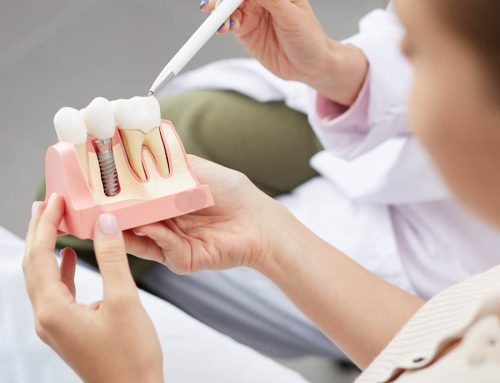
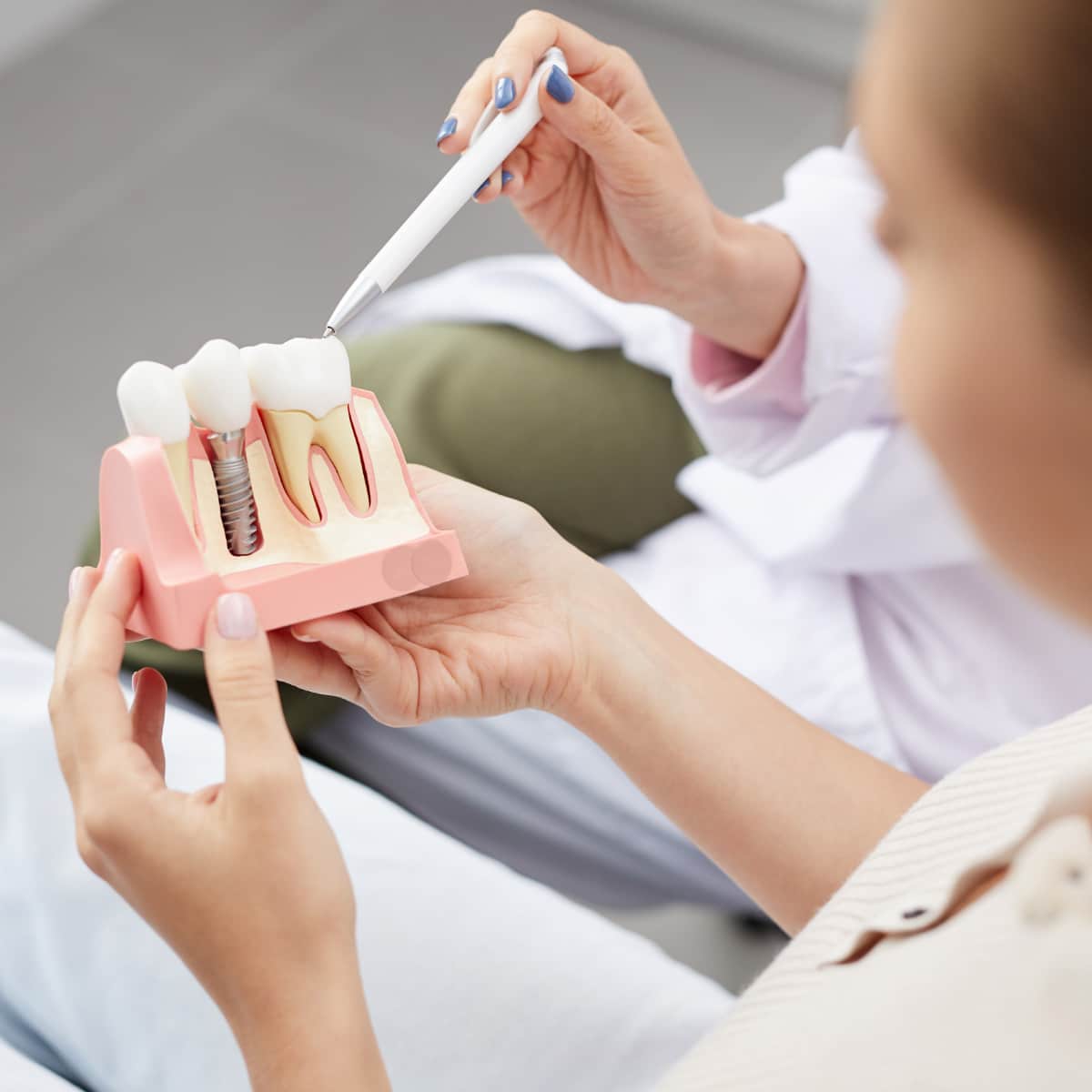
Dental implants are artificial tooth roots typically made of titanium and surgically implanted into the jawbone to provide a sturdy foundation for the missing teeth. They serve as an anchor for various dental prostheses, including crowns, bridges, and dentures.
 Dental implants are a popular and effective long-term solution for people wishing to replace one or more missing teeth.
Here’s a breakdown of the key components and aspects of dental implants:
- Implant Fixture: This is the titanium post that’s placed into the jawbone. It functions as a substitute for the natural tooth root.
- Abutment: This is a connector piece attached to the implant fixture once it has fused with the jawbone. The abutment protrudes above the gum line and serves as the anchor for the artificial tooth or dental prosthesis.
- Artificial Tooth: This is the visible part of the dental implant, which can be a crown, bridge, or denture, depending on the specific restoration needed.
The FDA’s patient guide to dental implants describes the same post, abutment and crown, and it’s a good read before a consultation because it also covers the surgical risks in plain language.
Does An Implant Change The Teeth Next To It?
A single implant gets its own crown and doesn’t rely on crowns over the teeth beside it, so those neighbors aren’t reshaped. That’s the main difference from a conventional bridge, which needs its supporting teeth prepared. Implant planning still looks at your gums and general oral health first, because healthy gum tissue is part of what makes someone a good candidate.
The Importance Of Knowing The Pros & Cons Of Dental Implants Before You Make A Decision
Dental implants offer many advantages, especially when recommended by a cosmetic dentist. Here are some of their benefits:
- Stability: They’re firmly anchored in the jawbone, providing stability and preventing the movement of replacement teeth.
- Natural Appearance: Implants look and feel like natural teeth, enhancing one’s smile and confidence.
- Durability: With proper care, dental implants can last a lifetime.
- Preservation of Jawbone: Implants stimulate the jawbone, preventing bone loss that often occurs with missing teeth.
While dental implants offer numerous benefits, it’s important to consider some potential drawbacks, including:
- Surgical Procedure: The placement of dental implants involves a surgical procedure, which might not be suitable for people with certain medical conditions.
- Cost: Dental implants can be more expensive than other tooth replacement options.
- Time-Consuming Process: The entire dental implant process, including healing and osseointegration (integration with the jawbone), can take several months.
- Bone Density Requirement: Successful implantation relies on adequate jawbone density.
Lasting a lifetime depends on care. Implants need daily plaque control and regular professional checkups, and the gum and bone around an implant can get inflamed, which the American Academy of Periodontology calls peri-implantitis. Bleeding, redness or tenderness around an implant is worth a call.
A few things raise the risk with an implant, and we’d rather you hear them before surgery than after. Smoking and smokeless tobacco are risk factors, especially while the implant heals. Diabetes is one too, though better control can lower the chance of failure. Grinding or clenching your teeth matters as well, and a mouth guard can help. None of these rules you out on their own, but each one gets talked through before a date is set.
What If I Don’t Have Enough Jawbone For An Implant?
You may still be able to get one. When the jawbone is too thin, a bone graft can rebuild the area first. The American Academy of Periodontology calls this ridge modification and notes that it can add time before the implant goes in. Our post on what happens during a bone grafting procedure for dental implants walks through the visit.
“By being new to the area and thoroughly searching for a trusted dentist, I chose Dr. Russell Kiser and am so glad I did! My dental needs up to now have been standard cleanings, fillings, and an occasional crown. I didn’t think I’d ever need a tooth implant. When a front tooth snapped off damaging the structure, stem, and root, I carefully weighed options and decided to get a tooth implant after finding that I had bone loss too.”
Thomas Adamescu, Google review
How Dental Bridges Can Restore Your Smile & Function In Mansfield, Ohio
Dental bridges are fixed dental restorations that replace one or more missing teeth by bridging the gap between adjacent natural teeth or dental implants. A bridge consists of artificial teeth, known as pontics, which are held in place by dental crowns or abutments attached to the neighboring teeth or implants.
Dental bridges are a common solution in cosmetic dentistry because they restore aesthetics and functionality at the same time.
Gum disease has to be under control before a bridge is placed, because the supporting teeth carry the load. Our Mansfield dental bridges page covers each type: a traditional bridge, a cantilever bridge, a Maryland bridge and an implant-supported bridge.
How Many Visits Does A Dental Bridge Take?
Usually two or three. The first visit shapes the supporting teeth and takes impressions, and you can leave with a temporary bridge. The next one is the fitting, where the bridge is checked for bite, alignment and appearance and then secured. If the gums need treatment first, that comes before the first bridge visit. Getting used to a new bridge can take a few days to a few weeks.
The Pros & Cons Of Dental Bridges
Dental bridges offer many advantages, such as :
- Cosmetic Enhancement: Bridges restore the appearance of a complete smile by filling in gaps left by missing teeth.
- Functional Improvement: They improve biting and chewing ability, preventing strain on remaining natural teeth.
- Quick Procedure: Getting a dental bridge is usually faster than some other tooth replacement options, like dental implants.
- Cost-Effective: Bridges can be more cost-effective than dental implants, making them a viable option for some patients.
However, there are some cons to keep in mind, including:
- Healthy Adjacent Teeth: The abutment teeth must be healthy and strong to support the bridge.
- Potential Wear: Over time, the abutment teeth may experience some wear due to the pressure of supporting the bridge.
- Limited Bone Stimulation: Unlike implants, bridges don’t stimulate the jawbone, potentially leading to bone loss over time.
Two more are worth knowing. The American Academy of Periodontology notes that a supporting tooth can decay if the cement seal under the bridge breaks down, and receding gums can expose the edge of the bridge. The same guidance says the bone that held the missing root can still shrink under a tooth-supported bridge.
How Do You Clean Under A Dental Bridge?
Brush as usual, floss every day, and clean under the false tooth with special floss or a small interdental brush, because food collects there. That matters more than with natural teeth, since decay in a supporting tooth is one of the ways a bridge runs into trouble. Soft foods are easiest for the first few days, and hard, sticky or chewy foods are worth avoiding early on.
Implant Or Bridge: Which One Fits Your Mouth?
It depends on the teeth around the gap, and that’s a call Dr. Kiser makes with your X-rays and scan in front of him. He goes over the implant type, its benefits and its risks for your own treatment plan. These are the patterns that usually point one way or the other.
An Implant Usually Fits When:
- The teeth on either side of the gap are healthy, so there’s no reason to crown them.
- You have enough jawbone, or you’re willing to have a graft first.
- Your general health and gums are in good shape, since implant planning looks at both.
- You’d like the missing root replaced too, because an implant can help keep bone at that spot.
A Bridge Usually Fits When:
- You’d rather avoid surgery, or a medical condition makes it a poor fit.
- You want the tooth replaced in two or three visits instead of waiting months for healing.
- The supporting teeth are strong and your gum disease is under control.
- Cost up front matters more to you right now than how long the replacement lasts.
There’s a middle option too. When several teeth in a row are missing, two implants can hold a bridge across the gap.
Can A Bridge Be Attached To Dental Implants?
It can. An implant-supported bridge uses implants as its anchors instead of crowned natural teeth, which is why it’s often suggested when several teeth in a row are missing. The bridge part works the same way, but the support underneath is different, so the healthy teeth nearby aren’t reshaped. It does still need implant surgery and healing time before the bridge is placed, the same as a single implant.
Dental Implants vs. Dental Bridges: Which Is More Cost-Effective In The Long Run?
Dental implants have a higher upfront cost compared to dental bridges due to their complexity.
 The cost of implants varies based on factors such as the number of implants needed, any preliminary procedures like bone grafts, and the type of restoration placed on the implants (crown, bridge, denture). You can always ask your cosmetic dentist for more information regarding the process.
While the initial investment might be greater, dental implants are known for their durability and longevity, potentially resulting in fewer replacements over time.
As we mentioned before, dental bridges have a lower upfront cost because their procedure is less complex. This cost varies depending on the number of pontics required, the type of bridge (traditional, cantilever, implant-supported), and the materials used. However, bridges might need replacement every 10-15 years, which can accumulate costs over time.
For a rough number, our implant page gives a general range of $3,000 to $6,000 for a single-tooth implant. Your own quote depends on what the exam and scan show, including whether you need a graft. For how long each option tends to last, see how long dental implants last compared to traditional bridges.
Will Dental Insurance Cover An Implant Or A Bridge?
It depends on your plan. Some plans exclude implants and others pay part of them. Many have a yearly maximum, so you can owe more even when a service is covered. Some limit payment to a lower-cost option, or restrict teeth that were missing before you enrolled. We accept most plans, including Aetna, Delta Dental, Guardian and MetLife, and our patient info page lists CareCredit and Lending Club financing.
“Dr Kiser was very professional, detailed, knowledgeable and caring before, during and after my implant surgery. I was high risk and he got the job done. He calls and texts to check on me during recovery. He answers my calls promptly even in the evening or on a weekend. I travel 5 hours, one way, to see him because the quality of dentistry I receive. I went to several of the best local dentist and one referred me to Dr Kiser as one who has the expertise, experience and equipment to do the job I needed done. I am pain free, from the dentures I had, and several dentist told me my mouth was not made for dentures, so remaking the dentures would not work. I am thankful that I found Dr Kiser.
His office staff is awesome.”Dollie Davis, Google review
Helpful Resources On Dental Implants And Bridges
- Dental Implants: What You Should Know, U.S. Food And Drug Administration: how implants are made and placed, the risks of surgery, and what to ask before you agree to one.
- Single Tooth Dental Implants, American Academy of Periodontology: a short side-by-side of an implant and a bridge for one missing tooth, including what happens to the teeth next to it.
- Ridge Modification, American Academy of Periodontology: what a bone graft before an implant involves, if you’ve been told your jawbone is too thin.
- Peri-Implant Diseases, American Academy of Periodontology: the gum problems that can affect an implant later on, and the warning signs to watch for.
Consult A Skilled Cosmetic Dentist In Mansfield, Ohio To Choose The Right Tooth Replacement Option For You
Choosing between dental implants and dental bridges involves a careful evaluation of not only the benefits but also the associated costs. The decision should be based on individual needs, preferences, and financial considerations. Consulting a skilled cosmetic dentist can provide the personalized guidance needed to navigate this important choice.
For expert advice, you can contact Dr. Kiser Dental. Our professionals will assess your unique situation and provide recommendations that align with your goals. Take the next step towards a confident smile by reaching out to us!
To talk through an implant or a bridge for your own gap, call (419) 756-2880. The office is on South Trimble Road near the US 30 interchange, and you can find us on Google Maps.
About The Author: Dr. Russell Kiser II, DDS, MS was born in Mansfield, graduated from Mansfield Senior High School, and did his undergraduate work at The Ohio State University at Mansfield and in Columbus before earning his dental degree and a Master of Science in endodontics at Ohio State. He trained in implants and bone grafting at the Midwest Implant Institute and has been a Diplomate of the ABOI/ID, the implant dentistry board, since 2018.
Advanced Dentistry & Dental Implant Center
1221 S. Trimble Road, Building A
Mansfield, OH 44907
Tel: (419) 756-2880
Email: [email protected]